What I Learned About Frankincense and Why It Ended Up in My Novel
What I Learned about Frankincense and why it ended up in my novel
I gave a character the scent of frankincense before I knew why. Then I started researching. What I found changed the book entirely.
I gave a character the scent of frankincense before I knew why. It arrived the way a lot of things arrive in this book, through instinct, through the hand knowing before the mind does. He smelled of frankincense and caramel. That was simply who he was. I wrote it and moved on.
Weeks later, I started pulling on the thread.
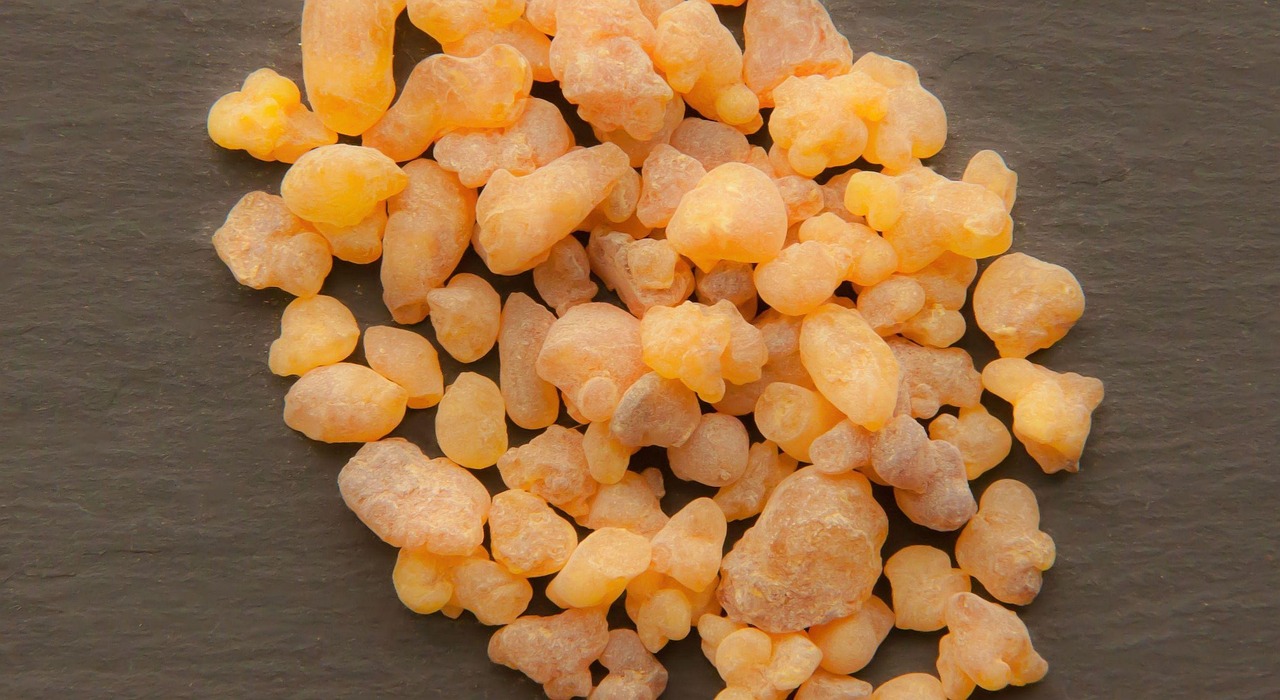
Frankincense is the resin of the Boswellia tree, harvested in Oman, Ethiopia, Somalia, and the southern reaches of the Arabian Peninsula for thousands of years. When you burn it, the smoke rises in a particular way, slow and deliberate, like it knows where it is going. Ancient Egyptians called it the sweat of the gods. They burned it in offerings to Ra. In Mesopotamia, the smoke rose toward Baal. In the Dhofar region of Oman, which produces some of the finest frankincense in the world, it was considered divine breath, the literal voice of the gods communicating through smoke.
He did not wear it. It came from him. That distinction changed everything I understood about who he was.
My character does not wear frankincense as a cologne or an oil. The scent is simply part of him, the way some wood carries the smell of its own heartwood. When I understood what frankincense meant to the ancient world, I understood something about him that I had not consciously written yet. He had existed before time. He had lived through civilizations. And his body carried the oldest sacred scent the world has ever known, not because he chose it, but because of what he is made of.
The Oman Connection
What surprised me most was Oman. I had not planned an Omani thread in the story. But when I traced the frankincense trade routes, the oldest and most prized resin has always come from Dhofar, in southern Oman. The ancient incense road ran from there all the way to the Mediterranean, passing through what is now Yemen, Saudi Arabia, Jordan, and into Egypt. Every civilization that burned frankincense as a sacred offering was burning something that began its journey in Oman.
I realized I had already been building toward that connection without knowing it. The story had been guiding me there. There is a house in my novel with a theological connection to my character that predates everything else in the narrative. That house is Omani. I did not plan it. I followed the scent.
What This Taught Me About Writing
The book I am writing, The Thirteenth Concord, is built on real history, real mythology, and real geography layered beneath a world that does not exist anywhere yet. Every time I have followed an instinct and then researched what that instinct was pointing toward, I have found something that deepens the story in a way I could not have engineered deliberately.
The frankincense was one of those moments. I gave a character a scent. The scent had a history thousands of years old. That history is connected to a country I had already been building toward. The story knew before I did.
That is the thing about writing that no one fully prepares you for. You are not always the one driving. Sometimes you are the one following, pen in hand, trying to keep up with what the story already knows.
The Thirteenth Concord is coming. When it arrives, you will smell the frankincense on the very first page.
